

How Apollo Scooters Are Designed for Everyday Commuters
Comfort, portability, durability, safety-focused features, and range: the five design areas that make a scooter worth riding every day, from July heat to November rain.
Apollo electric scooters are engineered to be reliable companions for daily commuting. The design prioritizes what actually matters on everyday trips: comfortable handling, portability for mixed commutes, durable construction for real-world roads, and safety-focused features that support rider control. None of that fits into a single spec. It shows in how a scooter feels on ride two hundred, not ride one.
Fast facts
- Commuter-friendly design comes down to five pillars: comfort, portability, durability, safety-focused features, and range that covers your route.
- Most of Apollo's commuter lineup pairs suspension with PunctureGuard self-healing tires and Power RBS regenerative braking to smooth out daily city riding.
- Commuter models range from 19,5 kg (43 lb) (Apollo Dash) to 37,6 kg (83 lb) (Apollo City Stellar), and every one folds for storage. Exact weight and folded size vary by model.
- Apollo commuter scooters carry an IP66 water resistance rating and are certified to UL 2271 and UL 2272 for battery, electrical, and fire safety.
- The right model depends on your commute distance, terrain, and portability needs, not a single "best" scooter for everyone.
What makes an electric scooter commuter-friendly
Personal electric mobility has changed a lot since the category took off. The first scooters were defined by basic (very basic) utility, with little to no thought given to ergonomics: trigger throttles that led to hand fatigue, no suspension, and no reliable performance data. As the category matured, brands started designing for comfort, practicality, and everyday use.
Today there's a clear divide between performance scooters and everyday commuters. Performance models emphasize raw speed and customizable power, while commuter-focused design prioritizes a seamless daily experience. For commuters, peace of mind is built in through smoother throttle response, integrated turn signals, and systems tuned for the realities of city streets and local speed rules.
A commuter-friendly scooter is one built to be ridden every day: comfortable over distance, dependable to handle, easy to carry, and durable against daily wear. That's a different brief than a scooter meant for occasional weekend rides, which only has to feel fun for twenty minutes. A commuter scooter has to feel fine after twenty minutes, then do it again tomorrow, through rain, slush, freeze-thaw potholes, and hundreds of folds a year.
The right fit still depends on your commute. Distance, terrain, and where you'll store or carry the scooter all change which model makes sense, so treat the sections below as design areas to evaluate rather than a single answer.
Comfort and smooth handling for the daily ride
Small discomforts compound on a daily commute. A stiff ride or a twitchy throttle is easy to shrug off once. Repeated five days a week, it becomes the reason a scooter ends up in the garage. Comfort on a commuter scooter comes from three design areas: suspension, tires, and how predictably the scooter responds to throttle and brake input.
- Suspension: Suspension is usually the first spec budget scooters give up, but it makes a real difference to comfort. Most Apollo commuter models include it, from the front spring and rear rubber absorber on the Apollo Go to triple spring suspension on the Apollo City 2.0. The ultralight Apollo Dash skips it to save weight.
- Tires (entire Apollo lineup): Every model rides on PunctureGuard self-healing tubeless tires between 9 and 11 inches. Bigger wheels roll over road cracks and minor bumps more smoothly, which is a big part of why the City 2.0's 10-inch setup feels different from the 9-inch tires on the Go.
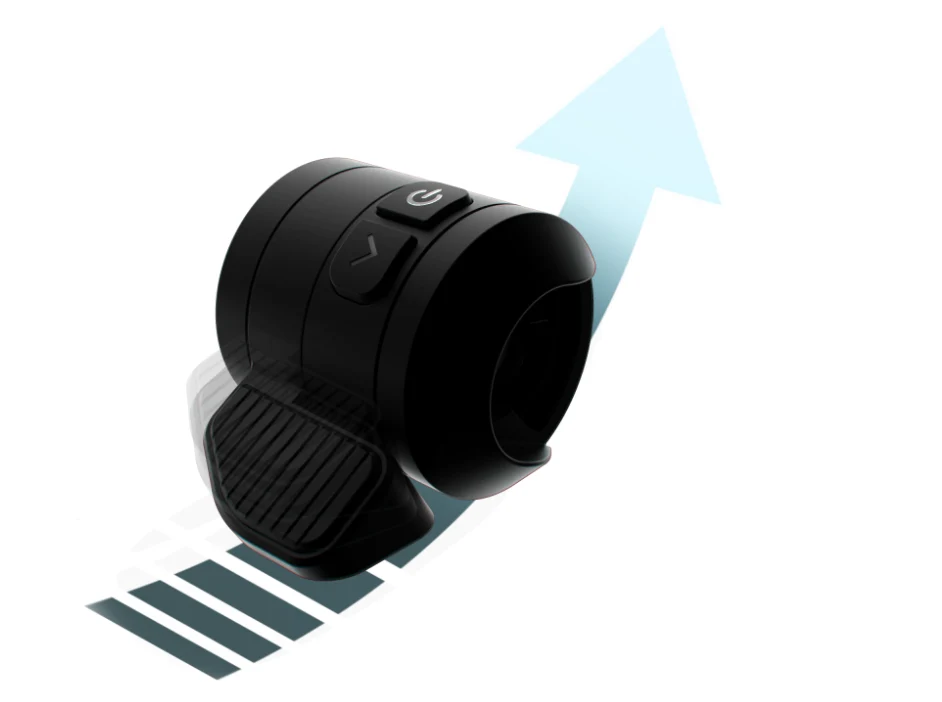
- Throttle and brake response: Apollo uses ergonomic thumb throttles rather than triggers across the commuter lineup, and Power RBS regenerative braking engages in proportion to how hard you pull the brake lever, so speed comes off smoothly instead of in a grab.
Exact suspension type, tire size, and deck dimensions vary by model. You can compare them side by side in the Apollo scooter comparison tool.
Portability for mixed commutes
Many commutes aren't a single mode from start to finish. A ride to the metro or GO train, a flight of stairs, a walk from the platform to the office: portability is a core commuter feature because the scooter has to fit into a trip that isn't purely riding. It should be light enough to carry and compact enough to store easily.
Across Apollo's commuter lineup, weight ranges from 19,5 kg (43 lb) on the Apollo Dash up to 37,6 kg (83 lb) on the Apollo City Stellar, with the Apollo Go at 22 kg (49 lb) as a mid-range example. Every commuter model folds for storage and transit. Folded dimensions and weight differ by model, so if stairs, a train, or a small condo are part of your daily routine, check the product page for the folded footprint before you buy.
Durable construction with real-world roads in mind
A commuter scooter has to hold up to potholes, curbs, weather, and daily use in a way an occasional-use scooter doesn't. Durability on Apollo's commuter models is built around frame construction and testing rather than a single headline spec.
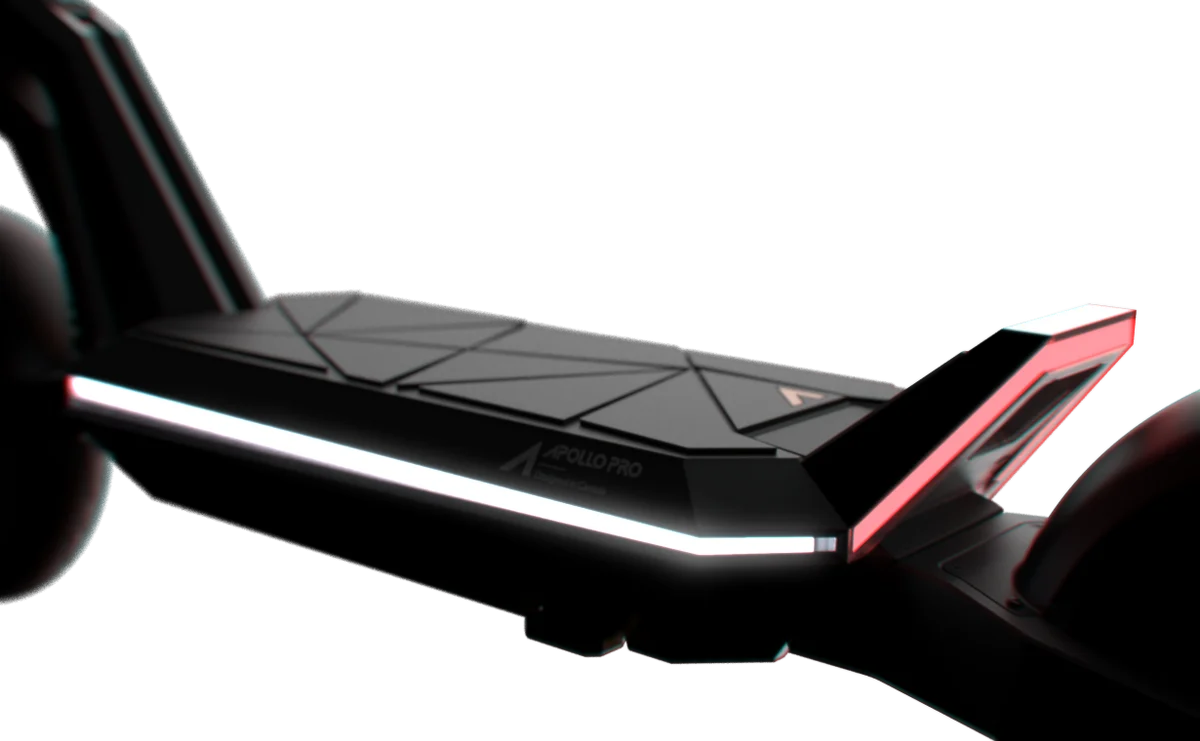
- Frame: Every Apollo frame is tested to hold up to real-life riding, and Apollo is confident enough in it to back it with a lifetime frame warranty for the original owner. It covers every current commuter model purchased after March 25, 2025.
- Water resistance: IP66 rated, meaning sealed against dust and high-pressure water from any direction. Every current commuter model, the Dash included, carries this rating. Full submersion should still be avoided.
Apollo also rig-tests every major component, including motors, controllers, throttles, and batteries, to three times its expected lifecycle before a scooter ships, and commuter models are certified to UL 2271 and UL 2272 for battery, electrical, and fire safety. That's meaningful long-term value for daily riders, but it isn't a promise of maintenance-free ownership. Tires wear, brakes need periodic attention, and batteries age like any other rechargeable battery.
Safety-focused features that support rider control
Apollo builds in features intended to support rider control and visibility, which matter most on a daily commute shared with traffic, pedestrians, and other riders. On the Apollo Go, that includes a rear drum brake paired with Power RBS regenerative braking that engages in proportion to how hard the lever is pressed, plus a signature stem light, integrated turn signals, and a bright rear light for visibility in low-light urban conditions.
Important context
These features are designed to support control and visibility. They don't eliminate risk. Always wear a helmet, follow your provincial and municipal scooter rules, and ride at a speed appropriate for conditions and surroundings.
Brake types, lighting output, and display features vary by model, so confirm those details on the product page for the scooter you're considering.
Range and charging that fit a commute
Range and charging habits matter more for commuters than for occasional riders, because the scooter needs to reliably cover the round trip and recharge on a normal schedule. Think about range relative to your actual commute distance, with a buffer for hills, cold weather, and higher speeds (Canadian winters in particular), all of which reduce real-world range below a scooter's maximum rated figure.
Apollo designs around real rider data. The Apollo Go's battery, for example, was sized around one data point: the median Go commute is about 3 km (2 miles) a day, which means most riders only need to charge about every three days. For a typical commute, charging becomes a twice-a-week habit rather than a daily chore.
Standard charge times run roughly 5 to 8 hours depending on the model, from about 5 hours on the Dash to about 8 hours on the Explore 2.0. Optional Apollo fast chargers, available for models including the Go, City, and Explore 2.0, cut charge time by about 50%. That turns the Go's roughly 7.5-hour charge into something you can handle over half a workday or a movie night.
Designed with rider feedback for Canadian streets
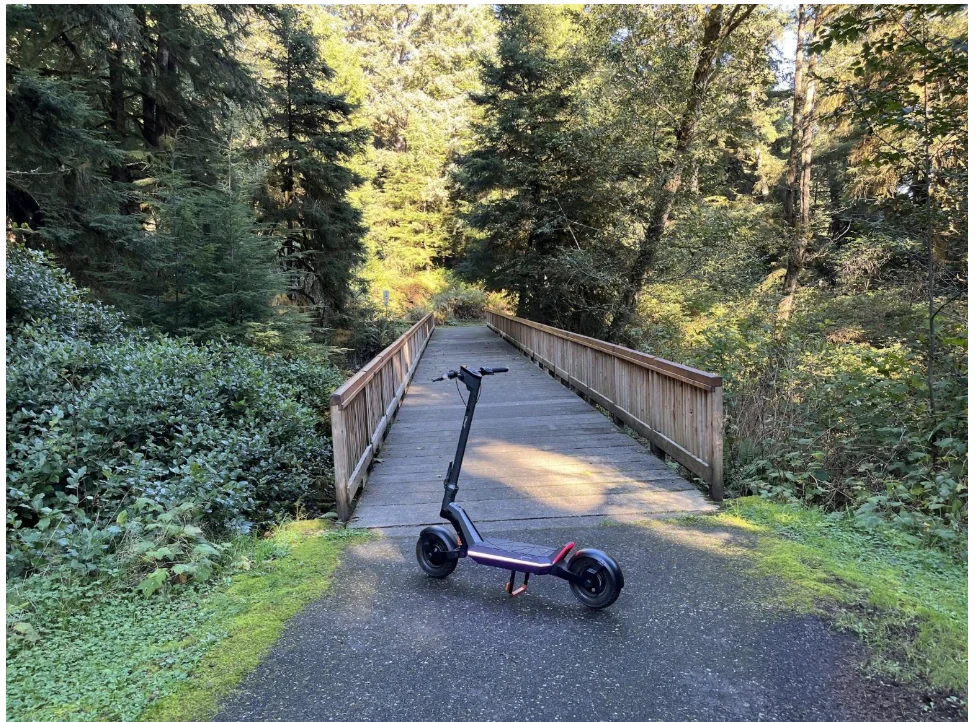
Apollo's commuter scooters are built with input from the riders who use them daily and tuned for conditions common on North American streets, which in Canada means a lot: patched pavement after a freeze-thaw cycle, bike lanes that share space with buses, stop-and-go downtown traffic, and weather that swings from humid summer heat to cold, wet shoulder seasons. In practice, that has meant throttle and brake angle adjustments based on rider feedback, motor casing changes for better cooling on long rides, and suspension tuning aimed at real commuting pavement rather than a smooth test course.
Cold is the one to plan around. Lithium-ion batteries deliver less range in low temperatures, so give yourself a bigger buffer from late fall onward, and store and charge your scooter indoors. Snow and ice are a different story: no scooter design makes them safe to ride on, and some cities restrict e-scooter use in winter, so check your local rules. Our guide on riding your electric scooter in winter covers the details.
Know your local rules
In Canada, e-scooter rules are set provincially and often by municipality, covering everything from speed limits and minimum age to helmet requirements and where you can ride. Check your province's and city's current rules before your first commute, or start with our overview of electric scooter laws in Canada.
Key takeaways
Commuter-focused design comes down to five things: comfort and handling, portability, durability, safety-focused features, and range that comfortably covers your route. Apollo tunes all five around daily North American riding, Canadian seasons included, but no single model is right for every rider. The best way to choose is to compare verified specs on the Apollo site against your actual commute distance, terrain, and storage situation. Whatever you ride, ride responsibly, wear a helmet, and follow your local scooter laws.
Questions fréquentes
What makes an electric scooter good for commuting in Canada?
A good commuter scooter is comfortable over distance, easy to fold and carry onto transit, durable against daily wear and wet weather, equipped with features that support control and visibility, and has enough range to cover your round trip with a buffer for cold days.
How much do Apollo commuter scooters weigh?
Apollo commuter models range from 19,5 kg (43 lb) on the Apollo Dash to 37,6 kg (83 lb) on the Apollo City Stellar. The Apollo Go weighs 22 kg (49 lb). All of them fold for storage and transit.
Can I ride an Apollo scooter in cold or wet weather?
Apollo commuter scooters are IP66 rated, sealed against dust and high-pressure water from any direction, so rain is not a problem for the scooter. Cold reduces battery range, so plan a bigger buffer and store and charge indoors. Avoid snow and ice, and check local rules, since some cities restrict winter riding.
Are e-scooters legal in Canada?
It depends on your province and city. E-scooter rules in Canada are set provincially and often municipally, covering speed limits, age, helmets, and where you can ride. Check your local rules before you commute.
Specifications referenced in this article reflect the Apollo Go and other Apollo commuter models as listed on apolloscooters.ca as of October 2026 and are subject to change. Always confirm current specs on the relevant product page before purchasing. Real-world range and performance vary with rider weight, terrain, temperature, and riding style.